
Dissertation Diagnosis
Identify your most likely dissertation bottleneck, and receive a curated resource to get you moving forward.
- No account or email required.
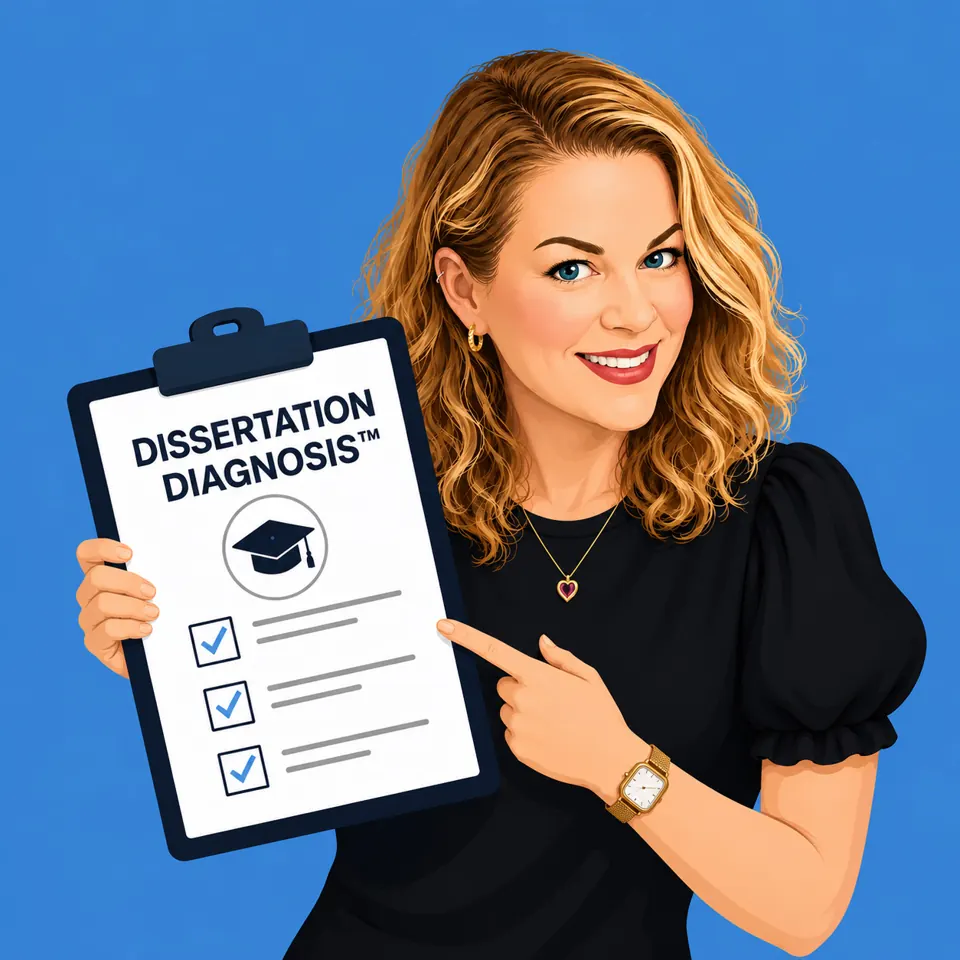
Are you too close to see the problem?
When you’ve spent months immersed in your dissertation, it can be difficult to see why your effort isn’t producing progress. You may keep revising a chapter when the difficulty begins with an unclear research question or conflicting feedback. Dissertation Diagnosis helps you step back, identify your most likely obstacle, and decide where to focus your effort.
 Scope Overload
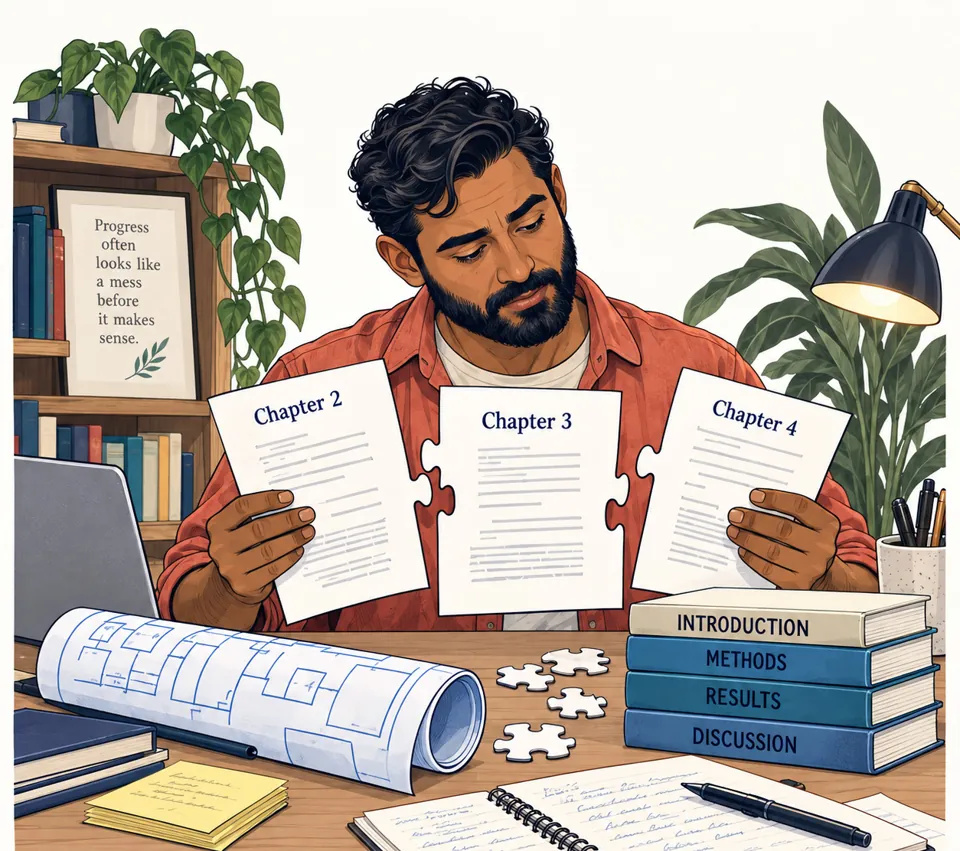 Structure Breakdown
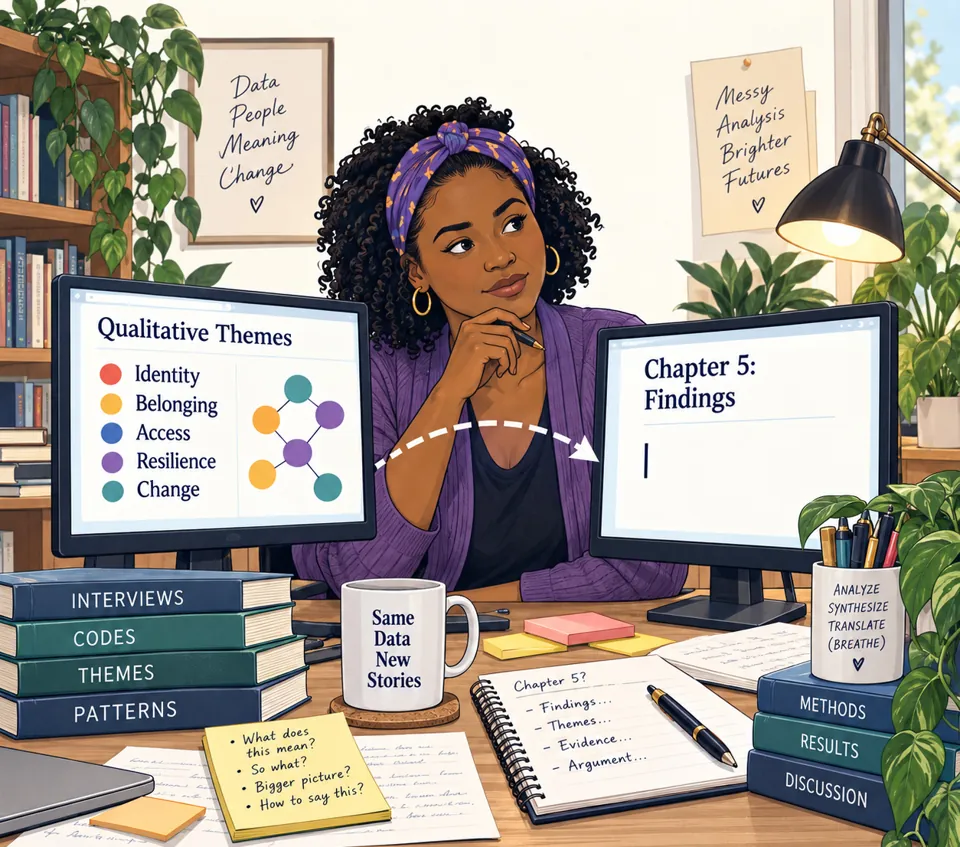 Scholarly Writing Breakdown
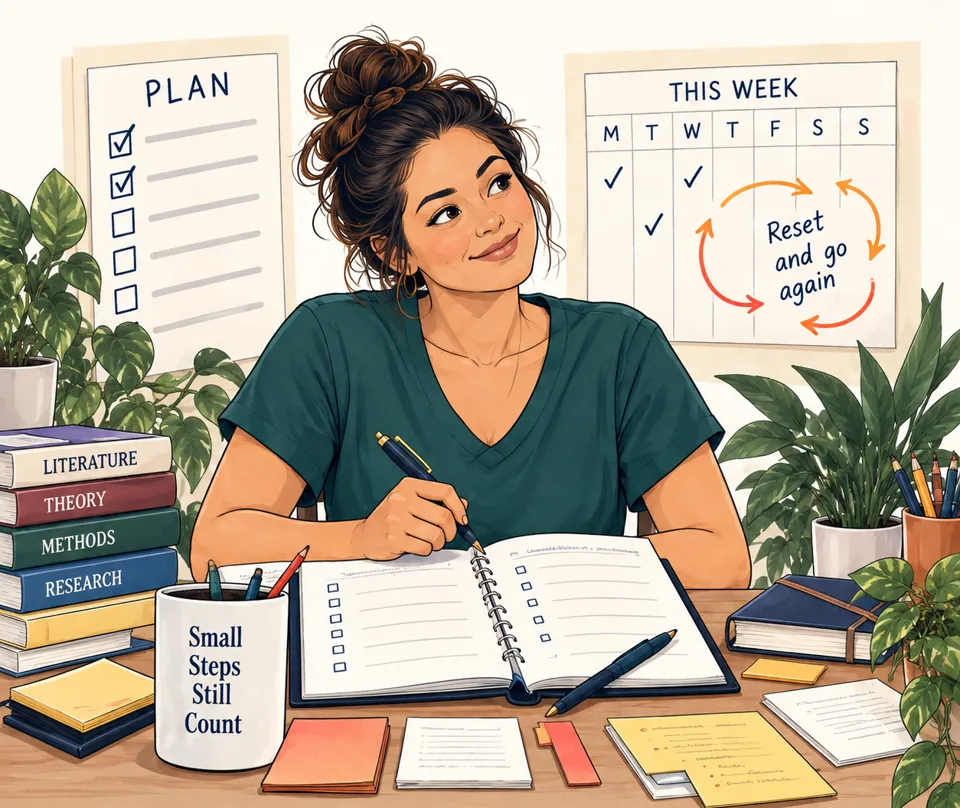 Execution Breakdown
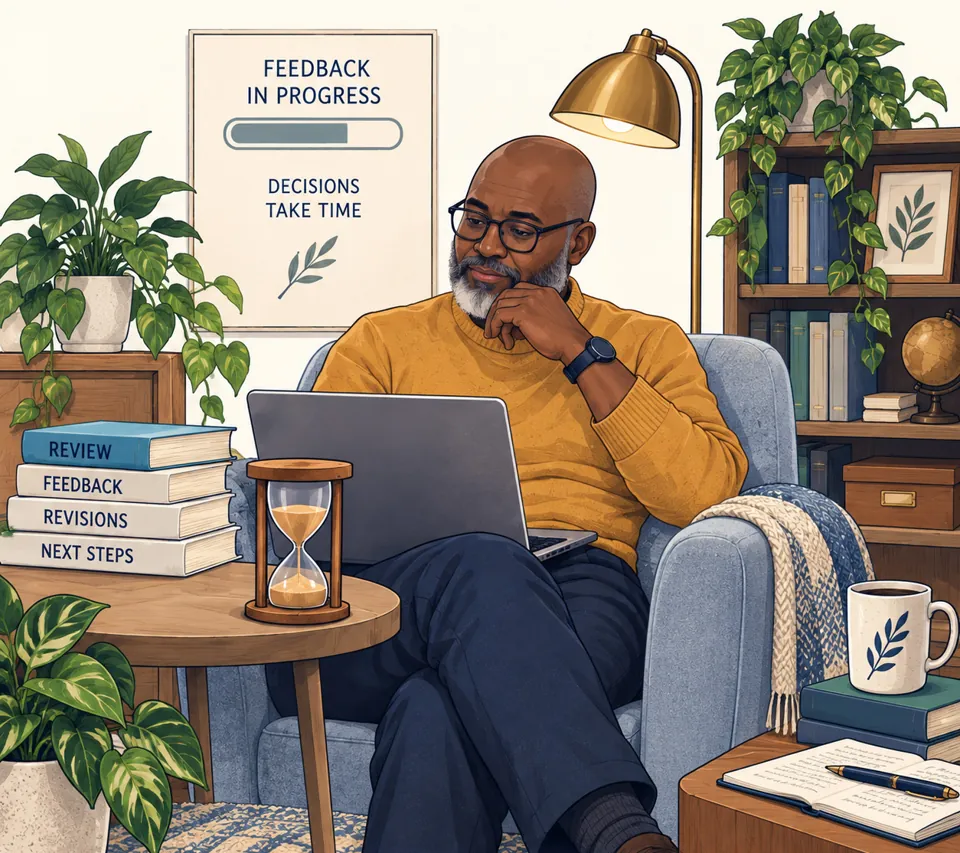 Feedback & Decision Friction
 Capacity Overload
Behind the diagnosis
Dissertation Diagnosis was developed over several months by professional dissertation coaches who experienced many of these same challenges themselves and went on to coach hundreds of graduate students worldwide. Drawing on firsthand experience and diagnostic principles, we created this diagnostic to dive beneath the visible symptoms of stalled progress and explore likely underlying causes.
What your result tells you
- Your likely bottleneckAn explanation based on your responses.
- Why it mattersHow that problem may be affecting your progress.
- Your next stepOne practical action and a matching free resource.
If your answers point to more than one obstacle or don't provide enough information, your result will explain that and suggest what to clarify.
Before you begin.
How long does it take?
It depends on your answers: where something needs clarifying, you'll see a short follow-up question. Answer with your current work and a typical recent week in mind.
Do I have to give my email?
No. Your full result appears immediately. After it, you can enter your email if you'd like us to send your result and matching resource. That's optional.
Is this a personality quiz?
No. It does not tell you what kind of person you are. It looks at where your dissertation is stuck and names the bottleneck most likely responsible, based on the pattern across your answers rather than on any single one.
What if more than one thing is wrong?
That's common: more than one problem can be present. When two are close, you'll see both. When your answers are unclear or mixed, the result says so and suggests how to clarify, rather than forcing one answer.
What happens after I get my result?
You get one practical next step and a matching free resource. If you'd like a closer look at your dissertation itself, there's an option at the end. It's never required.